


Table of Contents
- The Real Cost of Conventional Clothing
- Benefits of Organic Cotton Clothing
- Toxic Dyes in Clothing and Why It Matters
- Durability and Cost-Per-Wear Analysis
- How to Identify Sustainable Clothing Brands
- Environmental Impact and Your Wardrobe
- Is Organic Worth Your Investment?
- Frequently Asked Questions
Last Updated: September 27, 2026
The Real Cost of Conventional Clothing
Conventional clothing carries hidden costs that extend far beyond the price tag. Most shoppers never see the environmental toll or the chemical exposure baked into mass-produced garments. When a cotton shirt costs $15 at a big-box retailer, someone, and something, is paying the difference.
Conventional cotton represents less than 3% of global crop acreage, yet it consumes roughly 16% of the world's insecticides. Producing a single conventional cotton t-shirt requires approximately 2,700 liters of water, enough for one person to drink for nearly three years, while synthetic fertilizers and pesticides accumulate in soil and water systems for years.

Conventional clothing is often treated with synthetic dyes and chemical finishes that can off-gas for weeks or months after purchase. For people with sensitive skin or chemical sensitivities, this exposure can trigger reactions ranging from mild irritation to more significant flare-ups.
The true question isn't whether organic clothes worth it comes down to upfront cost, since they often do cost more initially. The real question is what conventional clothing actually costs when you account for environmental degradation, water depletion, pesticide exposure, and potential health impacts.
Benefits of Organic Cotton Clothing
Organic cotton grows without synthetic pesticides or fertilizers, relying instead on natural crop rotation and organic soil management. Understanding what organic fiber delivers versus what dyes and finishes contribute is essential to realistic expectations.

Soil and Water Benefits
Organic farming builds soil health through practices that retain water and support biodiversity, while conventional farming degrades soil structure over time. Choosing certified organic cotton supports farmers using regenerative practices that improve land quality year after year.
Fiber Quality and Durability
Organic cotton feels softer because harsh chemical processing is absent, and garments maintain shape longer since fibers haven't been compromised by aggressive treatments. Organic cotton garments are designed for durability.
Skin Contact and Fiber Residues
Organic cotton eliminates pesticide and fertilizer residues, but organic fiber alone doesn't guarantee a non-toxic garment, the dyeing and finishing process introduces its own chemical profile. GOTS-certified organic clothing restricts both fiber source and dyes/finishes used in production. Without certification, "organic" refers only to how the cotton was grown, not how the finished garment was treated.
Individual Responses Vary
Many people with sensitive skin report fewer reactions when switching to organic cotton, particularly with natural or low-toxicity dyes. However, skin sensitivities are highly individual, some react to specific dyes regardless of fiber source, while others tolerate conventional cotton without issue. Results depend on your specific sensitivities and the complete garment composition, not the fiber source alone.
Toxic Dyes in Clothing and Why It Matters
The dyeing process represents one of the largest sources of chemical exposure in conventional clothing. Synthetic dyes often contain heavy metals like lead, cadmium, and chromium, which can leach onto skin in warm conditions or with moisture.
Natural Clothing Company uses non-toxic dyes like seaweed ink, which eliminates heavy metal contamination. This matters most for items worn directly against skin for extended periods, underwear, bras, and sleepwear.
The dyeing industry generates massive pollution through untreated dye wastewater that contaminates local water supplies. GOTS (Global Organic Textile Standard) restricts dye chemicals and requires responsible wastewater treatment, creating accountability throughout the supply chain.
For individuals with chemical sensitivities, off-gassing from synthetic dyes can trigger reactions. Natural dyes can help reduce this exposure.
Durability and Cost-Per-Wear Analysis
The upfront price of organic clothing often shocks shoppers accustomed to fast-fashion pricing. However, durability fundamentally changes the financial equation. A garment that lasts twice as long costs half as much per wear, even at a higher initial price. Understanding why organic garments last longer, and how to calculate whether the premium is justified for your wardrobe, is the key to making this decision.
Why Organic Cotton Lasts Longer

Conventional cotton is treated with chemical finishes that weaken fiber structure, causing faster pilling, fading, and shape loss. Organic cotton, processed without these chemicals, retains stronger fiber structure and resists breaking down during washing. A well-made organic cotton t-shirt is designed to last longer than conventional alternatives.
Organic garments are designed to resist fading and maintain fit consistency through repeated washing, supporting long-term wardrobe building.
Organic Cotton T-shirt - Metawear →
The Cost-Per-Wear Framework
Cost-per-wear is the metric that matters most: divide the purchase price by expected wears before the garment becomes unwearable. An organic cotton t-shirt worn 120 times costs less per wear than a conventional shirt worn 50 times, despite higher upfront cost.
Expected wears depend on frequency of wear, washing frequency, and care quality. Garments washed in cold water and air-dried last significantly longer than those machine-dried on high heat.
| Garment Type | Conventional Cost | Expected Lifespan | Cost Per Wear | Organic Cost | Expected Lifespan | Cost Per Wear |
|---|---|---|---|---|---|---|
| Basic T-shirt | $12 | 50 wears | $0.24 | $15.90 | 120 wears | $0.13 |
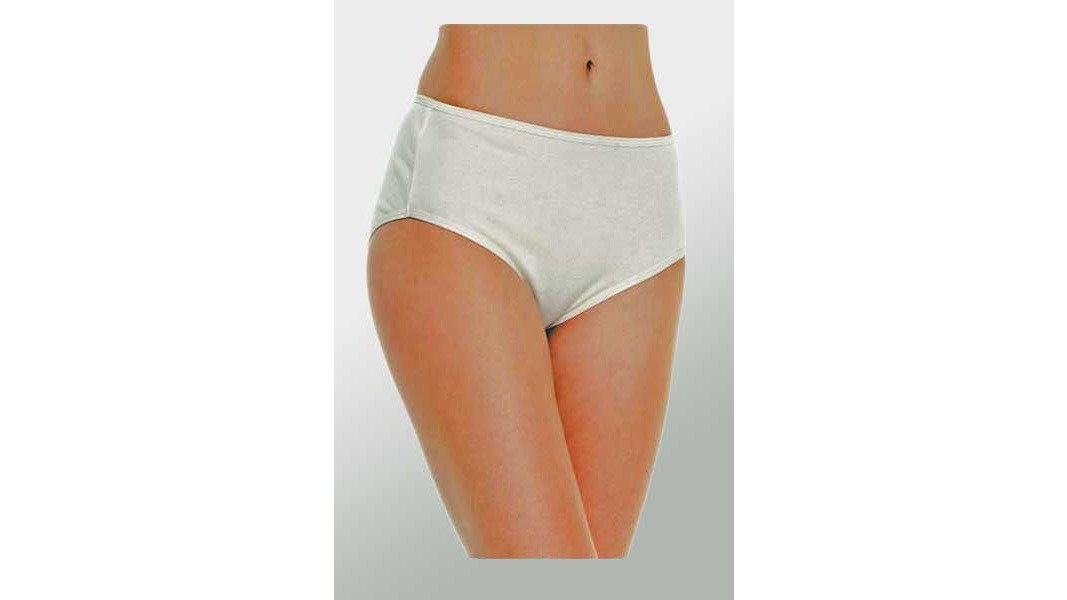
| Underwear | $8 | 40 wears | $0.20 | $39 | 150 wears | $0.26 |
| Bra | $25 | 60 wears | $0.42 | $50-60 | 200+ wears | $0.25-0.30 |
A minimalist wardrobe of high-quality organic pieces requires fewer total items to maintain style variety, reducing decision fatigue and the constant churn of fast fashion.
Break-Even Analysis
For frequently worn items like underwear and basic t-shirts, the break-even point where organic cost is justified by durability is reached quickly. For occasionally worn items, the break-even may never be reached, making conventional options more cost-effective.
How to Identify Sustainable Clothing Brands
Greenwashing, marketing conventional clothing as sustainable through vague language, is rampant. Identify genuine sustainability by looking beyond marketing language to certifications and transparency.
GOTS (Global Organic Textile Standard) certification is the gold standard for organic fiber verification. GOTS audits the entire supply chain, from farming through dyeing to final garment production. Brands displaying GOTS certification have undergone independent third-party verification. Natural Clothing Company's Organic Cotton T-shirt carries GOTS certification, meaning every step from Texas Organic Marketing Co-op farmers through U.S. manufacturing meets strict environmental and labor standards.
Fair Trade certification indicates that workers throughout the supply chain receive fair wages and safe working conditions. Look for Fair Trade Certified labels, which require independent auditing. This protects both the environment and the people producing your clothing.
Cradle to Cradle certification evaluates materials, chemical management, manufacturing processes, and end-of-life recyclability. It's particularly relevant for understanding whether a garment can be safely composted or recycled rather than landfilled. Natural Clothing Company's certified pieces meet Cradle to Cradle standards, meaning the materials and manufacturing processes are designed with circular thinking.
Transparency about supply chain location matters. Brands that clearly identify where cotton is grown and where garments are manufactured, and allow verification, are less likely to be greenwashing. Made-in-USA manufacturing, as with Natural Clothing Company's production, typically means stricter environmental regulations and labor oversight than overseas manufacturing.
Environmental Impact and Your Wardrobe
The clothing industry ranks among the most environmentally destructive sectors globally. Water consumption, pesticide runoff, synthetic dye pollution, and textile waste all accumulate with every conventional garment purchased. Individual choices aggregate into measurable environmental impact.
Water represents the most visible environmental cost. Conventional cotton farming requires constant irrigation in most climates, depleting aquifers and reducing water availability for communities and ecosystems. Organic farming builds soil water retention through improved soil structure, reducing irrigation needs by 30-50% compared to conventional methods. Choosing organic cotton directly reduces water extraction pressure on stressed water systems.
Soil degradation from synthetic fertilizers and pesticides takes decades to reverse. Conventional cotton farming depletes soil nutrients, requiring ever-increasing chemical inputs. Organic farming practices restore soil health through crop rotation, composting, and biological pest management. Supporting organic clothing brands supports farmers rebuilding soil ecosystems rather than mining them.
Textile waste represents an often-overlooked environmental cost. Most clothing ends up in landfills within 5 years of purchase.
Is Organic Worth Your Investment?
Whether organic clothes worth it ultimately depends on your priorities, budget, and how you measure value. For some people, the answer is unambiguous. For others, the transition requires a realistic approach.
Frequently Asked Questions
Is wearing organic clothes good for you?
Organic clothes reduce your exposure to synthetic dyes, pesticide residues, and chemical finishes found in conventional fabrics. For people with sensitive skin or chemical sensitivities, organic cotton and natural fibers can minimize irritation and off-gassing. However, individual responses vary, what works for one person may not work for another. The absence of toxic dyes and synthetic chemicals is the primary health advantage, particularly for those transitioning to a non-toxic lifestyle.
What are the downsides of organic cotton?
Organic cotton typically costs more upfront than conventional cotton due to stricter farming practices and certification requirements. The supply chain is smaller, which can limit style variety and availability. Additionally, organic farming produces lower yields per acre, increasing production costs. However, these garments often last longer, which can offset the higher initial price through better cost-per-wear over time.
How can you tell if clothing is truly organic?
Look for third-party certifications like GOTS (Global Organic Textile Standards), Fair Trade, or Cradle to Cradle on product labels and websites. Transparent brands provide details about where cotton is grown and how it's processed. Check if the company shares information about their supply chain, dye sources, and manufacturing facilities. Greenwashing is common, so verify certifications directly rather than relying solely on marketing claims about being 'eco-friendly' or 'natural.'
Does it really matter if cotton is organic?
Yes, significantly. Conventional cotton uses approximately 16% of the world's insecticides despite occupying only 2.5% of cultivated land. Organic cotton eliminates synthetic pesticides and fertilizers, reducing chemical exposure during farming and manufacturing. The difference extends to water consumption, soil health, and what remains in the finished fabric. For people with chemical sensitivities or those building a non-toxic lifestyle, the distinction between organic and conventional cotton directly affects skin health and overall well-being.


Leave a comment