


Table of Contents
- What Natural Fiber Clothing Actually Means
- Natural Fibers vs Synthetic Fabrics: The Core Differences
- Benefits of Organic Cotton Clothing for Your Skin
- Breathability, Temperature Control, and Moisture Management
- Hemp Clothing Benefits for Durability and Sustainability
- Linen Clothing Benefits: Lightweight Comfort Year-Round
- Durability and Longevity: Why Natural Fibers Last
- Making the Transition to Natural Fiber Clothing
- Frequently Asked Questions
Last Updated: October 11, 2026
What Natural Fiber Clothing Actually Means
Natural fiber clothing is made from materials sourced directly from plants, animals, or minerals rather than synthesized in a laboratory. Cotton, linen, hemp, wool, silk, and alpaca are among the most common natural fibers used in garments today. These materials have been worn for thousands of years because they offer properties that synthetic alternatives struggle to replicate: breathability, moisture management, and a comfort level that many find unmatched against polyester, nylon, or acrylic blends.
The distinction matters because synthetic fibers are petroleum-based polymers engineered to mimic natural qualities. While synthetics excel at durability and low maintenance, they lack the inherent capacity to regulate temperature and moisture the way natural fibers do. When someone chooses natural fiber clothing, they're selecting materials that work with the body's natural processes rather than against them.
Natural Clothing Company has built its mission around this principle since 2008, offering garments crafted from organic cotton, hemp, and linen specifically for people seeking to minimize their exposure to synthetic materials and toxic dyes. The company's approach recognizes that what touches your skin matters, not just for comfort, but for overall wellness.

Natural Fibers vs Synthetic Fabrics: The Core Differences
The gap between natural and synthetic fibers extends far beyond feel. Natural fibers are biodegradable, meaning they return to the earth when discarded. Synthetic fibers, by contrast, persist in landfills and oceans for decades. This environmental difference alone drives many consumers toward natural fiber clothing as part of a broader commitment to reducing their ecological footprint.
On a practical level, natural fibers breathe. They allow air to circulate through the fabric and moisture to evaporate from the skin. Synthetic fabrics trap heat and moisture, creating an environment where sweat lingers rather than dissipates. For anyone who has worn polyester in summer heat, the difference is immediately obvious, natural fibers feel cooler and drier against the skin.
Natural fibers also tend to soften with age and washing, whereas synthetics often pill, degrade, or become stiff. A linen shirt worn for years develops a desirable patina and becomes more comfortable over time. A polyester garment may look newer longer, but the hand-feel often deteriorates. For those building a minimalist wardrobe, natural fiber clothing represents better long-term value because these pieces improve rather than decline with use.
The trade-off is that natural fibers require more thoughtful care. They may wrinkle more readily, shrink if washed improperly, and demand specific drying methods. Synthetics offer convenience; natural fibers offer performance and longevity.
Benefits of Organic Cotton Clothing for Your Skin
Organic cotton differs from conventional cotton in one critical way: it's grown without synthetic pesticides, herbicides, or fertilizers. This distinction affects not just the environment but also what remains in the finished fabric. Conventional cotton production uses some of the most heavily sprayed crops in agriculture, and residues of those chemicals can linger in the fibers even after processing.
Organic cotton clothing reduces skin exposure to these chemical residues. For people with sensitive skin, dermatological conditions, or chemical sensitivities, this matters significantly. The fabric itself is gentler because it hasn't been treated with harsh dyes or finishing agents designed to make conventional cotton easier to care for. Many organic cotton garments use natural, non-toxic dyes that produce softer, more muted colors, a visual marker of their different production process.
The softness of organic cotton comes from the fiber itself, not from chemical softeners. When you wash organic cotton garments, they maintain their integrity because they haven't been coated with synthetic compounds. Over time, organic cotton becomes softer and more absorbent, adapting to your body rather than resisting it.
Why Organic Matters
Choosing organic cotton clothing means supporting farming practices that avoid synthetic chemicals entirely. These practices protect soil health, reduce water contamination, and create safer conditions for farm workers. From a personal health standpoint, organic cotton minimizes the risk of wearing fabric that off-gasses or irritates sensitive skin.
Natural Clothing Company's organic cotton socks, for example, contain 98% certified organic cotton with minimal spandex, less than 2%. This composition allows the fabric to mold to your feet naturally without the chemical residue or synthetic feel that often accompanies conventional socks. The difference becomes apparent after the first wash: the fabric softens rather than stiffens, and the comfort improves with use.
Breathability, Temperature Control, and Moisture Management
Natural fiber clothing excels at managing the microclimate between your skin and the environment. Breathability refers to the fabric's ability to allow air to pass through it, while moisture management describes how effectively the material absorbs and releases sweat. These two properties work together to keep the body at a comfortable temperature.
Cotton and linen are particularly effective at moisture absorption. They pull sweat away from the skin and allow it to evaporate into the air rather than trapping it against your body.
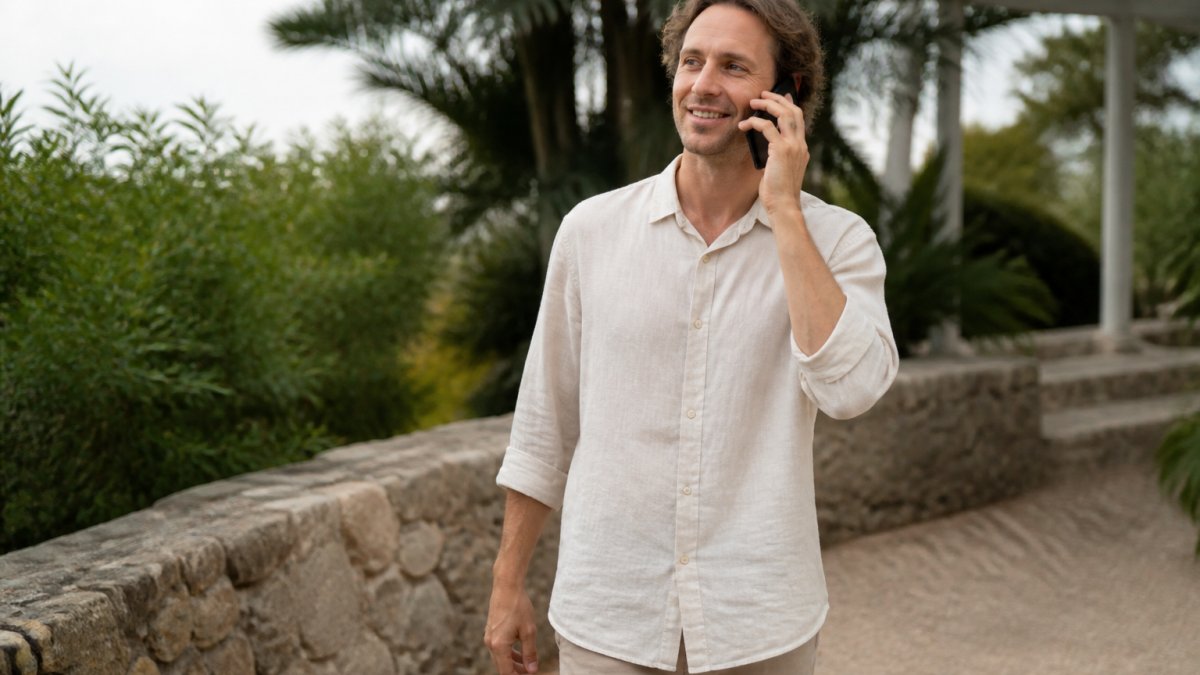
Temperature regulation happens because natural fibers respond to your body's needs. In warm conditions, they release moisture and allow heat to escape. In cooler conditions, they retain warmth by trapping air within the fiber structure.
Linen takes temperature regulation further. It's one of the most breathable natural fibers available, making it ideal for hot climates or summer wear. A linen shirt can feel cool against the skin even when the ambient temperature is high, because the fabric's structure allows maximum airflow. This is why linen has remained a staple in warm-weather clothing for centuries.
Hemp Clothing Benefits for Durability and Sustainability
Hemp fiber comes from the hemp plant and represents one of the most sustainable natural fibers available. Hemp requires minimal water, no pesticides, and regenerates quickly, making it an environmentally responsible choice. The fiber itself is exceptionally strong, stronger than cotton, which means hemp garments withstand repeated washing and wearing without breaking down.
Hemp clothing benefits from this inherent durability. A hemp garment will outlast a cotton equivalent by years, even with regular wear and washing. The fiber doesn't pill easily, doesn't lose its shape, and actually becomes softer with age. For someone building a minimalist wardrobe of pieces meant to last, hemp offers exceptional value.
The sustainability angle extends beyond the growing process. Because hemp garments last longer, they require fewer replacements over a lifetime, reducing overall consumption. This longevity aligns with the values of people seeking to minimize their environmental impact through intentional purchasing rather than frequent replacements.
Hemp does have a coarser hand-feel than cotton or linen when new, but this changes with washing. The fabric softens significantly, developing a comfortable, lived-in quality that many prefer to the stiffness of new synthetics.
Linen Clothing Benefits: Lightweight Comfort Year-Round
Linen stands apart for its exceptional breathability and lightweight quality. Made from the flax plant, linen fibers are naturally hollow, which allows them to conduct heat away from the body more efficiently than almost any other fabric. This property makes linen ideal for warm weather, but the fabric remains comfortable in transitional seasons as well.
The moisture-absorbing capacity of linen is remarkable. It can absorb up to 20% of its weight in moisture without feeling damp, which is why linen clothing remains comfortable even when you're perspiring. The fabric dries quickly once moisture evaporates, preventing the clammy feeling that often accompanies synthetic fabrics in humid conditions.
Linen wrinkles readily, and this is often cited as a drawback. However, the wrinkles are part of linen's charm and practicality. They develop naturally with wear and movement, creating a relaxed aesthetic that has become fashionable. More importantly, the wrinkles don't indicate damage, linen's strength means the fabric bounces back and continues performing well despite creasing.
Natural Clothing Company's linen collared button shirt exemplifies these benefits. Made from 100% lightweight hanky-weight linen and sewn in the United States, the shirt offers maximum breathability with a soft, natural hand-feel. The capped sleeves and relaxed cut make it suitable for everyday wear across seasons, and the fabric improves with washing rather than degrading.

Durability and Longevity: Why Natural Fibers Last
Natural fibers have a structural integrity that synthetics cannot match. Cotton, linen, hemp, and wool all become stronger when wet, whereas many synthetic fibers weaken. This means natural fiber garments can withstand aggressive washing without damage. The fibers themselves don't break down from detergent or heat the way synthetics do.
The longevity of natural fiber clothing comes from this fundamental property. A well-made cotton or linen garment can be worn for decades. Wool garments, when properly cared for, often last a lifetime. Synthetics, by contrast, typically show visible wear, pilling, fading, loss of shape, within a few years of regular use.
This durability translates to real economic value. Buying fewer garments that last longer costs less over time than frequently replacing cheaper synthetic alternatives. Someone purchasing a high-quality natural fiber shirt at a higher initial price point will likely spend less on clothing over a ten-year period than someone replacing synthetic shirts annually.
The care requirements for natural fibers, while more specific, actually support longevity. Washing in cool water, air-drying, and avoiding high heat all preserve the fibers' integrity. These practices are straightforward once established as routine, and they're the reason vintage natural fiber garments from decades past remain wearable today.
Making the Transition to Natural Fiber Clothing
Starting with natural fiber clothing doesn't require overhauling your entire wardrobe at once. A practical approach is to replace basics first, socks, undergarments, and everyday shirts, with natural fiber alternatives.
Building a natural fiber wardrobe works best when pieces are chosen for versatility and compatibility. Neutral colors in cotton, linen, and hemp create a foundation that mixes and matches easily.
The transition period involves learning care practices specific to each fiber. Linen requires different washing than wool; hemp behaves differently from cotton.
Cost is often the first concern when transitioning to natural fiber clothing. Natural fibers, particularly organic varieties, typically cost more upfront than synthetics. However, the calculation changes when you factor in longevity.
Natural Clothing Company's approach to this transition recognizes that people move at different paces. Starting with a single piece, perhaps the linen collared shirt or organic cotton socks, allows you to experience the difference directly.
The broader shift toward natural fiber clothing reflects a growing awareness that what we wear affects both our bodies and the environment.
Making the shift to natural fiber clothing is about reclaiming comfort and responsibility. Natural fibers breathe, adapt to your body, and improve with age, qualities that synthetic alternatives simply cannot match.
Natural Clothing Company has spent nearly two decades perfecting this approach, offering ethically made pieces in organic cotton, hemp, and linen that deliver on the promise of natural fibers.
Frequently Asked Questions
What counts as a natural fiber?
Natural fibers come from plants or animals without synthetic processing. Cotton, linen, hemp, wool, silk, and alpaca are common examples. These fibers breathe, absorb moisture, and biodegrade naturally. They contrast with synthetics like polyester and nylon, which are petroleum-based and do not break down in the environment. Natural fiber clothing allows your skin to regulate temperature and moisture more effectively than synthetic alternatives.
Is organic cotton actually better than conventional cotton?
Organic cotton is grown without synthetic pesticides or fertilizers, reducing your exposure to harsh chemicals often used in conventional farming. Benefits of organic cotton clothing include gentler treatment of your skin, especially if you have sensitivities, and elimination of chemical residues that can linger in fabric. Conventional cotton may retain pesticide traces even after processing. Organic cotton also supports farming practices that respect soil health and reduce environmental contamination, making it a healthier choice for both your body and the planet.
Are natural fibers more breathable than synthetic fabrics?
Yes. Natural fibers like linen, cotton, and hemp have a porous structure that allows air to circulate freely, keeping you cooler and more comfortable. Synthetic fabrics like polyester trap heat and moisture against your skin, which can feel clammy and uncomfortable. Natural fibers absorb sweat and moisture, moving it away from your body so it can evaporate. This breathability makes natural fiber clothing ideal for warm weather and active wear, and explains why many people with sensitive skin prefer them for everyday wear.
How do I know if natural fiber clothing will actually last?
Natural fibers like hemp and linen become softer and stronger with wear and washing when cared for properly. High-quality pieces made from 100% natural fibers withstand years of use without pilling or degrading. The key is following care instructions: washing in cool water, avoiding excessive heat drying, and choosing garments from reputable makers who use quality fabrics and construction. Investing in fewer, better-made pieces from natural fibers often costs less over time than replacing synthetic fast-fashion items frequently.


Leave a comment