


Table of Contents
- Why Buy Organic Hemp Clothing Online in 2026
- Quick Comparison: Hemp Apparel Essentials and Prices
- 100% Hemp Clothing vs Hemp Blends: What the Label Tells You
- How to Identify Greenwashing in Sustainable Fashion
- What to Know About Organic Hemp Clothing Brands
- How to Care for Hemp Clothing So It Lasts
- Sizing, Fit, and Returns When You Buy Online
- Conclusion: Start Your Hemp Wardrobe
- Frequently Asked Questions
Last Updated: October 13, 2026
Why Buy Organic Hemp Clothing Online in 2026
The case for organic hemp clothing has never been stronger. Hemp fabric is durable, breathable, and grows with far less water than conventional cotton, which is why searches for it keep climbing.
Natural Clothing Company has been making this exact switch since 2008, and this guide reflects what that experience has taught about fabric labels, fit, and care.
Hemp apparel sits at the intersection of comfort and conscience. It softens with every wash rather than wearing thin.
Quick Comparison: Hemp Apparel Essentials and Prices
Start with a few core pieces rather than a full wardrobe. The table below covers the essentials Natural Clothing Company makes, with real prices so you can plan a first order.
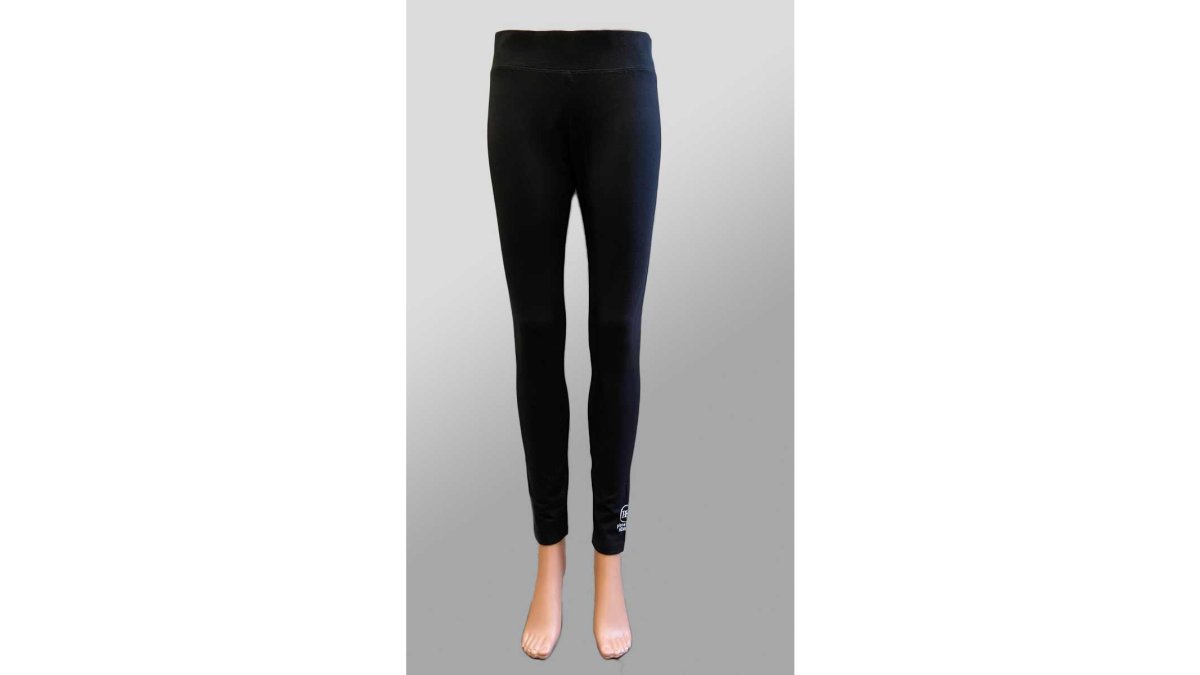
Hemp Blend Leggings - Ankle Length
Item |
Price |
Material |
Best For |
|---|---|---|---|
$58.00 |
52% hemp / 45% organic cotton / 3% lycra |
Everyday support |
|
$24.00 |
52% hemp / 45% organic cotton / 3% lycra |
Low-rise daily wear |
|
$52.00 |
53% hemp / 43% organic cotton / 4% spandex |
Layering and lounging |
|
$42.00 |
60% hemp viscose / 40% organic cotton |
A soft first layer |
|
$16.00 |
100% European hemp |
Dressing up a plain shirt |
|
$24.00 |
100% hemp |
Everyday durability |
One note on the numbers above: hemp blends with a small amount of lycra or spandex hold their shape better than pure woven hemp, which matters most for fitted pieces.


100% Hemp Clothing vs Hemp Blends: What the Label Tells You
100% hemp clothing is woven or knit entirely from hemp fiber, while a hemp blend mixes hemp with cotton, lycra, or spandex to change how the garment stretches and feels.
That distinction decides almost everything about how a piece wears. Pure hemp is strong and gets softer over time, but it has little give.
- 100% hemp: best for ties, bags, belts, and structured pieces that should not stretch
- Hemp and organic cotton: a middle ground, softer against skin with modest stretch
- Hemp with lycra or spandex: the choice for leggings, bralettes, and anything fitted
The Men's Hemp Tie is a clean example of the first category, and the Hemp Blend Leggings show the third. Neither is better. They simply solve different problems.
How to Identify Greenwashing in Sustainable Fashion
Greenwashing is when a brand's marketing claims more environmental benefit than its materials and practices actually deliver.
Vague words are the first warning sign. "Eco-friendly," "natural," and "green" mean nothing on their own, because no standard defines them.
- Look for fiber percentages, not slogans
- Check whether a certification is named, and by whom
- See if the brand explains where the garment was made
The [Federal Trade Commission's Green Guides | ftc.gov] set the baseline for how environmental claims may be marketed, and they are worth knowing before you spend.
What to Know About Organic Hemp Clothing Brands
Most ranking pages for this search are storefronts, so they describe their own catalog and stop there.
Start with the word "organic." On a fiber label it is not a vibe, it is a certification status.
That is why the single most useful habit is to look for fiber percentages and a named certifier, not adjectives. A label reading "52% hemp / 45% organic cotton / 3% lycra" tells you the composition.
The four things worth checking, in order
- Fiber content and origin. Is the hemp percentage stated? Is the fiber described as certified organic, and by which program? Is the growing region named (European hemp, for example, is a common descriptor)?
- Dyes and finishing. Ask whether dyes are fiber-reactive or plant-based and whether the brand states they are free of heavy metals. A brand that can name its dyehouse or dye class is easier to trust than one that says "naturally dyed" with no detail.
- Where it was cut and sewn. Country of manufacture is a legitimate question, and a straight answer is a good sign. "Made abroad" is not an answer.
- Policies that affect your money. Return window, whether intimate items are excluded, who pays return shipping, and how exchanges are handled. These are the terms that decide whether an online order is low-risk or a gamble.
Certifications you may see, and what they actually cover
- USDA Organic, applies to the fiber's agricultural production, not to working conditions or dye chemistry.
- Global Organic Textile Standard (GOTS), covers organic fiber content plus processing, dye, and wastewater criteria across the supply chain. It is the stricter, more textile-specific mark.
- OEKO-TEX Standard 100, tests the finished article for harmful substances. It says nothing about whether the fiber was grown organically.
No single mark covers everything. A garment can be GOTS-certified and still be a fit you dislike, and an OEKO-TEX label can sit on conventionally grown hemp. Read each mark for what it measures.
Claims to treat carefully
Hemp is naturally resistant to odor-causing bacteria and blocks some ultraviolet light, and those are properties of the fiber itself rather than marketing additions.
For environmental marketing language specifically, the Federal Trade Commission's Green Guides set the baseline for how claims like "sustainable," "eco-friendly," and "compostable" may be presented. If a brand's wording sounds broader than its evidence, that is the tell.
A brand that answers the fiber, dye, manufacturing, and policy questions without hedging is usually the one whose label you can trust. One that dodges the dye question typically has a reason.
How to Care for Hemp Clothing So It Lasts
Hemp clothing lasts longest when washed cold, dried on low heat or hung, and kept away from bleach. The fiber is already strong, so the goal is simply not to stress it.
Most hemp pieces soften with each wash, so the first few cycles actually improve the feel. Hot water and high dryer heat are what shorten a garment's life.
- Machine wash cold on a gentle cycle
- Skip bleach and fabric softener
- Hang to dry, or use low heat
Exact care varies by blend, so follow the tag. The Hemp Blend Bralette, for example, calls for cold machine washing and hanging to dry, while the leggings can go in a low-temperature dryer.
Sizing, Fit, and Returns When You Buy Online
Ordering hemp online fails for one predictable reason: shoppers apply the fit logic of stretchy synthetic knits to a fabric that does not behave the same way. Fix that and most returns disappear.
Measure first, and measure correctly
Use a soft tape and take three numbers: bust or chest at the fullest point, natural waist at the narrowest point, and hips at the fullest point. Keep the tape level and snug but not compressing.
Measure at the end of the day, when the body is at its largest, and if you are between sizes on a fitted piece, size up.
Why hemp fits differently
Hemp fiber is strong and low-stretch. A 100% hemp woven garment has almost no give, so it should fit comfortably loose from the start. Hemp blended with a small percentage of lycra or spandex, often 3% to 4%, behaves more like a cotton knit with a bit of recovery, which is why fitted pieces such as leggings and bralettes use blends rather than pure hemp.
The practical rule: stay true to size on loose, structured pieces, and size up on anything fitted that is mostly hemp with little stretch.
Shrinkage expectations
Hemp and hemp-cotton blends can shrink modestly on a first hot wash or high-heat dry, and the fiber softens with repeated washing. Two habits prevent surprises:
- Wash cold on a gentle cycle from the first wear, not the fifth.
- Hang to dry or use low heat. High dryer heat is what drives most shrinkage and shortens garment life.
If a piece arrives slightly loose and you want it closer to the body, a single cold wash followed by a low-heat dry will usually take up a little room without distorting the shape. Do not rely on shrinkage to correct a size that is clearly wrong.
Reading a size chart like a skeptic
Compare your three measurements to the chart's three measurements, not to the size name. A "medium" is not a universal quantity. If a chart lists only one measurement, such as bust, and the garment is fitted, ask the brand for the waist and hip numbers before ordering.
Returns and exchanges: what to confirm before you buy
Policies differ by item, and intimate apparel is almost always the exception. A common pattern is that briefs and similar intimate pieces cannot be returned or exchanged for hygiene reasons, while bras may be returnable if unworn, unwashed, and with tags attached. Confirm four things in writing on the product page:
- The return window, counted from delivery or from ship date.
- Whether intimate items are excluded.
- Who pays return shipping on a return versus an exchange.
- Whether the item must be unworn with tags, and whether original packaging is required.
A brand that publishes full measurements, states its shrinkage behavior, and spells out its intimate-item policy is doing the work that makes buying online low-risk. That transparency is worth more than a discount code.
Conclusion: Start Your Hemp Wardrobe
Building a hemp wardrobe takes patience, because good pieces are worth waiting for and worth caring for properly. Start with one or two essentials, learn how the fabric behaves on your body, then expand.
Natural Clothing Company has made organic cotton, hemp, and linen clothing free from toxic dyes since 2008, with pieces manufactured in Washington State and abroad. The Hemp Blend Bralette, Hemp Blend Leggings, and Unisex Totem T-shirt are a solid first order.
Frequently Asked Questions
Where can I find 100% hemp clothing?
Look for retailers that list fiber content on every product page. Natural Clothing Company carries several 100% hemp pieces, including the Men's Hemp Tie at $16.00, the Banzai Hemp Belt at $24.00, and the Hemp Bag at $24.00. Their hemp blend items, like the Hemp Blend Bralette, combine hemp with organic cotton and a small amount of lycra for stretch. Always check the composition line before buying, since "hemp" in a product name does not mean the garment is 100% hemp.
Is hemp clothing usually blended with other fibers?
Yes, many hemp garments are blends. Hemp is often combined with organic cotton for softness, or with a small percentage of spandex or lycra for stretch and shape retention. For example, the Hemp Blend Leggings - Ankle Length are 53% hemp, 43% organic cotton, and 4% spandex. Blends can make hemp more comfortable for everyday wear, but if you specifically want the properties of pure hemp, check the label for 100% hemp before you order.
How should I care for hemp clothing?
Hemp generally gets softer with washing, but it needs gentle handling. Most hemp garments do well with cold machine washing on a gentle cycle and low-temperature drying, or hang drying. The Hemp Blend Bralette and Hemp Blend Briefs, for instance, should be machine washed in cold water with no bleach and hung to dry. Always follow the specific care tag on your garment. Hot water and high heat can shrink hemp fibers and shorten the life of the fabric.
How can I tell whether hemp clothing is certified organic?
Ask the brand for documentation, not just marketing language. A legitimate organic claim should be backed by a certification you can verify, such as USDA Organic for fiber grown in the United States. If a brand says "organic" but cannot point to a certifying body or provide a certificate number, treat the claim with caution. Natural Clothing Company lists fiber content and manufacturing location on each product page so you can see exactly what you are buying.
What should I look for when choosing a sustainable clothing brand?
Start with transparency. A brand worth buying from tells you where the fiber was grown, where the garment was made, and what the fabric is made of. Check whether the brand publishes fiber percentages, care instructions, and return policies clearly. Look for specific claims rather than vague phrases like "eco-friendly." Natural Clothing Company, for example, states fiber composition and manufacturing location on each listing and has operated since 2008.


Leave a comment