


Table of Contents
- What Makes Non-Toxic Clothing Different
- How to Choose Non-Toxic Clothing: What Matters Most
- Organic Cotton Clothing Brands That Prioritize Safety
- Natural Fabrics for Sensitive Skin: Materials That Work
- Building a Non-Toxic Wardrobe: Practical Steps
- Common Mistakes When Selecting Non-Toxic Clothing
- Frequently Asked Questions
Last Updated: October 20, 2026
What Makes Non-Toxic Clothing Different
Non-toxic clothing is apparel made without harmful synthetic dyes, chemical finishes, or off-gassing substances common in conventional textiles. Conventional clothing often carries residual production chemicals, dyes that don't fully set, water- and wrinkle-resistance finishing agents, and synthetic fibers that release volatile organic compounds over time. Non-toxic clothing eliminates these substances at the source.
True non-toxic clothing brands commit to transparency about their supply chain, sourcing, and manufacturing. They use natural fibers like organic cotton, hemp, and linen grown without synthetic pesticides and processed without harsh chemical treatments, plus low-impact or natural dyes.

How to Choose Non-Toxic Clothing: What Matters Most
Selecting genuinely non-toxic clothing means moving beyond brand claims. Three factors determine whether a garment is truly safe: material composition, certifications and transparency, and dye safety.
Check Material Composition
The fiber is your first line of defense. Organic cotton, hemp, linen, and certified wool are safest because they're grown without synthetic pesticides and processed with minimal chemical intervention.

Hemp and linen are naturally durable and breathable, requiring fewer chemical treatments than conventional cotton. Certified organic wool avoids the chemical dips and pesticide treatments typical of conventional wool. Avoid synthetic fibers like polyester, nylon, and acrylic entirely if your goal is non-toxic clothing; they off-gas over time and shed microplastics with every wash.
Verify Certifications and Transparency
Certifications matter because independent third parties verify them. GOTS is the gold standard for organic textiles, covering the entire supply chain from farm to finished product. Fair Trade certification ensures fair pay and safe labor conditions. Look for these marks on product pages or packaging.
Equally important is what the brand will tell you. Ask where the cotton is grown, where the garment is manufactured, and what dyes are used. Legitimate non-toxic clothing brands answer readily, publishing supply chain information, sharing certifications, and explaining manufacturing. Vagueness or evasion is a red flag.
Assess Dye Safety and Chemical Finishes
Dyes are often overlooked yet are a primary source of chemical exposure. Conventional synthetic dyes can contain heavy metals and azo compounds that break down into harmful amines. Natural dyes from plants, insects, or minerals pose far less risk, and low-impact dyes are engineered to minimize environmental harm and are generally safer for skin contact.
Ask the brand directly: are your dyes natural, low-impact, or conventional, and do you use chemical finishing treatments like formaldehyde-based wrinkle resistance or flame retardants? Non-toxic clothing brands avoid these or use safer alternatives. A strong chemical smell on opening signals residual chemicals.
Organic Cotton Clothing Brands That Prioritize Safety
Natural Clothing Company stands out in non-toxic apparel by combining organic materials with transparency and ethical manufacturing. Founded in 2008 by a husband-and-wife team, the brand has spent nearly two decades perfecting clothing that respects skin health and the planet.
Essentials for Everyday Wear
The foundation of any non-toxic wardrobe is simple, versatile basics in certified organic cotton. Natural Clothing Company's 100% Regenerative Organic Cotton Tank ($39.50) is made from Regenerative Organic Certified (ROC) bronze cotton, which goes beyond standard organic certification: ROC farms actively restore soil health, enhance biodiversity, and ensure fair treatment of workers and animals.
The Organic Cotton Classic Unisex Crew Tee ($49.50) delivers 100% ROC bronze cotton in a timeless silhouette. Made at a worker-owned cooperative in India, it's soft, breathable, and lightweight for year-round wear, with a straight fit and large sleeves that provide comfort without excess fabric.
The Organic Cotton V-neck or Scoop Tee ($19.50) offers exceptional value. The reversible neckline, flip between V-neck and scoop, maximizes versatility. Made from GOTS-certified organic cotton with 5% spandex for gentle stretch, this tee features a contoured fit and flattering curved hem. It's a winner for building essentials without breaking your budget.
Basics Built to Last
Quality basics should last for years. Natural Clothing Company's Women's Organic Cotton Slouch V-Neck Tee ($49.50) uses lightweight, buttery-soft ROC cotton jersey with a lived-in look that improves with wear. Made at a worker-owned cooperative, it hits at the hip and works alone or layered.

For undergarments, a critical part of non-toxic clothing, Jane's Organic Cotton Bra ($50.00) is made from 88% organically grown cotton with 12% spandex. The racerback design has a double-thick fabric band for support, doubles as a nursing bra, and is manufactured in the USA.
Men will appreciate Men's 100% Organic Cotton Boxers with Covered Elastic ($32.00). Designed and made in the USA from soft organic cotton in natural undyed color, they feature a fully covered, latex-free elastic waistband, a functional fly, mid-thigh coverage, and overlock flat stitching that keeps seams smooth against sensitive skin.
Natural Fabrics for Sensitive Skin: Materials That Work
Different natural fibers offer distinct benefits for sensitive skin. Knowing each one's properties helps you choose clothing that feels good and performs well.
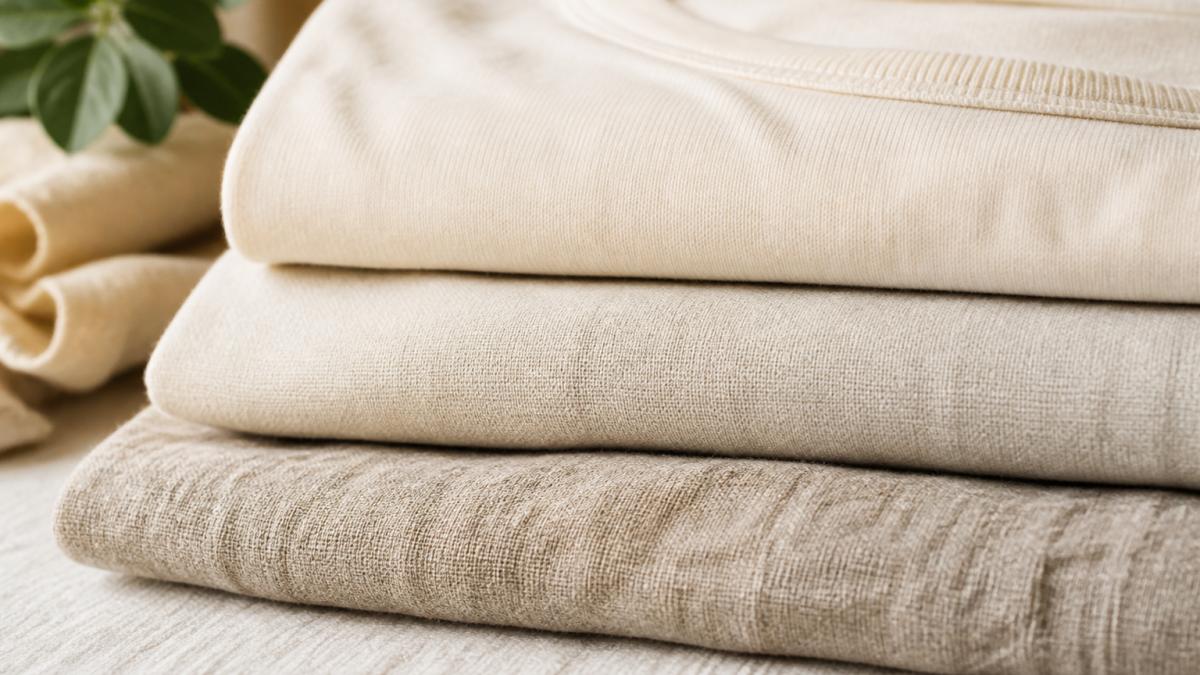
Organic Cotton: Breathable and Soft
Organic cotton is the most versatile natural fiber for sensitive skin: breathable, naturally hypoallergenic, and soft enough to wear directly against skin. Grown without synthetic pesticides, it carries no chemical residue to trigger reactions, and it absorbs moisture without clinging, ideal for warm weather or anyone prone to irritation from sweat buildup.
Regenerative Organic Certified cotton, like what Natural Clothing Company uses, goes further. These farms build soil health over time, producing stronger, more resilient fibers that hold their softness longer.
Hemp and Linen: Durable and Hypoallergenic
Hemp and linen are naturally resistant to bacteria and mold, making them excellent for people sensitive to microbial growth on fabric.
Natural Clothing Company's Hemp Blend Leggings ($52.00) combine 53% hemp, 43% organic cotton, and 4% spandex, balancing hemp's durability with cotton's softness. They offer good moisture absorption and breathability plus a comfortable 3-inch fully covered elastic waistband.
The Sleeveless Linen Buttoned Down Top ($84.00) is 100% linen, sewn and dyed entirely in the USA. Linen's breathability suits warm weather or anyone sensitive to heat retention, and the fabric has substantial weight.
100% Regenerative Organic Cotton Tank →
Organic Wool: Moisture-Wicking and Gentle
Certified organic wool is a misunderstood fiber for sensitive skin. Properly treated, it's one of the gentlest, most durable options, avoiding the chemical dips and pesticide treatments typical of conventional wool. It's naturally moisture-wicking, pulling sweat away from skin, which makes it ideal for active wear or anyone who sweats easily.
Natural Clothing Company's Organic Wool Low Cut Ankle Socks ($19.00) are 70% certified organic wool, 29% nylon, and 1% spandex, with a chlorine-free anti-felt treatment certified to international organic standards. The wool is sourced from Argentina and spun in the USA; covered toe seams and thick plush cushioning at the foot bottom provide comfort without chafing.
Building a Non-Toxic Wardrobe: Practical Steps
A non-toxic wardrobe doesn't require buying everything at once. Strategic choices compound over time into a collection you actually wear.
Start with Essentials
Begin with basics that work with everything: organic cotton tees, simple tanks, and neutral-colored pieces. A few high-quality basics in cream, black, and gray create endless outfits. Natural Clothing Company's tees and tanks are ideal starting points because they're affordable, versatile, and certified organic.
Choose one or two styles that fit your body well and order them in different colors. This removes decision fatigue and ensures you have pieces you'll actually reach for. Quality basics worn regularly justify their cost through longevity.
Invest in Quality Over Quantity
Non-toxic clothing costs more upfront because ethical manufacturing, organic materials, and transparency require investment. A $50 organic cotton tee is an investment in quality. Calculate cost-per-wear by dividing price by number of wears.
Buy fewer pieces and choose them deliberately. Avoid trends and seasonal styles. Stick with timeless silhouettes, crew necks, simple tanks, straight-leg pants, that remain relevant year after year. Natural Clothing Company's designs exemplify this philosophy: simple, well-made pieces designed to last.
Care for Your Garments Properly
How you wash and store clothing determines its lifespan. Machine wash cold on gentle cycles with like colors. Avoid fabric softener and bleach, which damage natural fibers and can irritate skin. Tumble dry low or hang dry to preserve elasticity. For linen, wash warm and dry low to minimize shrinkage after the first few washes.
Store garments flat or on hangers in a cool, dry place. Avoid plastic storage bins, which trap moisture and can promote mildew. Cotton garment bags or open shelving work better. Fold sweaters and knits to prevent stretching on hangers. Repair small holes or loose seams promptly, a five-minute fix prevents a ruined garment.
Common Mistakes When Selecting Non-Toxic Clothing
Understanding what to avoid saves time and money.
Confusing "natural" with "non-toxic." A garment labeled "natural fibers" may still be treated with harsh chemicals during manufacturing.
Assuming all organic cotton is equal. Standard organic certification means no synthetic pesticides were used.
Overlooking transparency. If a brand won't tell you where materials come from or how garments are made, that's a warning sign.
Ignoring care instructions. Non-toxic clothing often requires slightly different care than conventional pieces. Following care instructions extends garment life significantly.
Buying too much too fast. Building a non-toxic wardrobe is a gradual process.
Choosing non-toxic clothing means prioritizing your health and the health of the planet.
Frequently Asked Questions
What makes non-toxic clothing brands different from conventional brands?
Non-toxic clothing brands avoid harmful synthetic dyes, chemical finishes, and synthetic fibers that can irritate skin or off-gas volatile compounds. They prioritize organic or natural fibers like organic cotton, hemp, and linen, combined with low-impact dyes and transparent supply chains. Brands like Natural Clothing Company use Regenerative Organic Certified materials, which go beyond standard organic certification to actively restore soil health and support fair labor practices. This combination reduces exposure to toxins while supporting environmental responsibility.
How can I verify that organic cotton clothing brands are actually using safe dyes?
Look for third-party certifications such as GOTS (Global Organic Textile Standards) or Regenerative Organic Certified, which verify both materials and production methods. Request transparency about dye sources and chemical processes from the brand directly. Many reputable brands publish their supply chain information and certifications on their websites. Natural Clothing Company, for example, discloses that their cotton is Regenerative Organic Certified and made at worker-owned cooperatives, with detailed sourcing information available for each product.
Which natural fabrics are best for sensitive skin?
Organic cotton is the top choice for sensitive skin because it's soft, breathable, and free from synthetic pesticide residues. Hemp and linen are also excellent for sensitive skin due to their hypoallergenic properties and breathability, though hemp has a slightly rougher texture initially. Organic wool (treated with chlorine-free anti-felt processes) offers moisture-wicking benefits. All these fabrics allow skin to breathe and reduce irritation compared to synthetic alternatives. Individual responses vary, so test small quantities first if you have severe sensitivities.
What should I look for when choosing non-toxic clothing?
Check the material composition first, aim for organic cotton, hemp, linen, or organic wool. Verify certifications like GOTS, Regenerative Organic Certified, or Fair Trade. Ask about dyes and chemical finishes; low-impact dyes are safer than conventional synthetic dyes. Research the brand's supply chain transparency and manufacturing location. Consider durability and care requirements, garments designed to last longer reduce waste. Finally, assess price in context of quality and ethical production; non-toxic clothing often costs more due to higher material standards and fair labor practices.
Do non-toxic clothing brands offer pieces that work together for a minimalist wardrobe?
Yes. Many non-toxic brands, including Natural Clothing Company, focus on timeless basics and neutral colors that coordinate easily. Organic cotton tanks, tees, and leggings in classic shades form a flexible foundation. Pieces like the Organic Cotton Slouch V-Neck Tee ($49.50) and Hemp Blend Leggings ($52.00) pair well with each other and with basics from your existing wardrobe. Building slowly with versatile essentials allows you to create a cohesive minimalist wardrobe without overwhelming your budget or closet space.


Leave a comment