


Quick Summary
The best non-toxic home essentials for families focus on high-contact items: unscented laundry sheets, plastic-free dryer sheets, beeswax candles, wooden kitchen tools and a cutting board, and organic cotton toys. Start with laundry and food-contact items, then add others as your budget allows.
- Eco Clean Laundry Sheets are listed as unscented, with a box of 50 sheets said to wash up to 100 loads.
- Eco Clean Dryer Sheets are listed as plastic-free, with each box holding fifty large sheets.
- Beeswax candles are usually sold without added fragrance, and the Ball candle is listed as producing no smoke when burned.
- Wood cutting boards and utensils need hand washing, prompt drying and occasional oiling, and should not go in the dishwasher.
- Organic cotton toys are listed as GOTS-certified and CPSIA-compliant, and parents should still supervise play.
Table of Contents
- What Non-Toxic Means for a Family Home
- How We Chose These Five Essentials
- 1. Eco Clean Laundry Sheets: Concentrated, Unscented Detergent
- 2. Eco Clean Dryer Sheets: Plastic-Free Softener Alternative
- 3. Pure Beeswax Pillars and Organic Beeswax Candles for Fragrance-Free Light
- 4. Handcrafted Wood Kitchen Utensils and Cutting Board
- 5. Organic Cotton Toys and Teething Rings for Little Ones
- Buying Checklist, Cost Planning and Your Next Step for a Non-Toxic Home
- Frequently Asked Questions
Which Non-Toxic Home Essentials Are Worth Buying for Families?
Last Updated: November 13, 2026
What Non-Toxic Means for a Family Home
Non-toxic home essentials are household products made with fewer harsh chemicals, synthetic fragrances and petroleum-based ingredients. For families, the goal is simpler: fewer unnecessary substances in the rooms where children sleep, eat and play.
Non-toxic is not a single certified standard, and no product can promise zero exposure. Treat the word as a starting question rather than a guarantee, and ask three things about any item: what it is made from, what it adds that it does not need, and whether a simpler product could do the same job.
The exposure routes that matter most at home
Household exposures rarely come from one dramatic source. They accumulate through a few ordinary routes, and knowing them helps you decide which swaps are worth the money:
- Skin contact. Laundry, bedding, towels and anything a child wears or handles against bare skin stays in close contact for hours, so detergent, softener and finish residues matter most here.
- Hand-to-mouth behavior. Young children put toys, teething rings and utensils in their mouths, making a toy's materials and coatings a higher priority than a decorative item on a high shelf.
- Inhalation. Candles, incense, aerosol sprays, synthetic fragrances and cooking fumes add to indoor air; scented products are the most frequent source of avoidable fragrance exposure.
Rank products by how often they touch skin, mouths or food, and by how long that contact lasts. Laundry detergent, a child's teething toy and a cutting board sit near the top; an occasional candle or a decorative item sits lower. Spending from the top of that list down gets more real-world benefit than replacing everything at once.
What 'non-toxic' does and does not tell you
Because there is no single government definition for the word on consumer products, two items labeled non-toxic can be made very differently. Some listings disclose full ingredients; others list only a category such as 'plant-based surfactants.' Neither is automatically unsafe, but the more a listing discloses, the more you can evaluate it.
Third-party certifications are useful because they are verified by an outside body rather than the seller. A few that come up in family products include:
- GOTS (Global Organic Textile Standard) for organic fiber content and processing in textiles, including toys made from organic cotton.
- GREENGUARD Gold for low chemical emissions from products used indoors.
- EPA Safer Choice for cleaning products that meet the agency's ingredient safety criteria.
A certification is a signal, not a full picture. It usually covers one dimension, fiber content, emissions, or regulated substances, and does not mean a product is free of every ingredient of concern. Read what it actually covers before treating it as a blanket safety claim.
Sensitivities vary, so test gradually
Individual sensitivities vary widely, so a product that suits one household may still cause irritation in another. A product marketed as hypoallergenic or fragrance-free is not a promise that no one will react. If anyone in the house has known sensitivities, introduce one new item at a time, use it on a small scale first (a half sheet of detergent on a small load, for example), and keep notes on what changed.
How We Chose These Five Essentials
This list focuses on items that replace common conventional products in everyday family routines: laundry, drying, lighting, food preparation and children's toys. Each choice was based on the product listing, including stated ingredients, materials, packaging and care notes. The goal was a short, workable shortlist of five essentials spanning different rooms and the products families use most often.
The screening criteria
Every item had to clear the same bar before it made the list:
- Disclosed materials or ingredients. The listing had to state what the product is made from, not just call itself natural or non-toxic. Where a material or certification was not stated, this guide does not assume one.
- A clear conventional product it replaces. Each pick had to stand in for something a family already buys, liquid detergent, dryer sheets, scented candles, plastic utensils, or conventional toys, so the swap is practical rather than additive.
- High-contact use. Priority went to items that touch skin, mouths or food regularly.
- Verifiable claims only. Claims about health outcomes were left out; where a listing cited a certification or standard, the guide notes what that standard covers rather than repeating marketing language.
- Realistic cost and upkeep. A product had to be affordable to keep using, not just to buy once, with care requirements reasonable for a busy household.
How the five compare on cost, lifespan and upkeep
Upfront price is only part of the picture. The table below shows how each pick is priced and what it takes to keep it going, so you can judge cost per use rather than sticker price alone.
| Essential | Listed price | How it is priced |
|---|---|---|
| Eco Clean Laundry Sheets | $26.00 per box of 50 sheets | Per box; 50 sheets wash up to 100 loads at a half sheet per small load |
| Eco Clean Dryer Sheets | $18.00 per box of 50 sheets | Per box |
| Beeswax candles (Organic Beeswax Candles by Ball; Pure Beeswax Pillars) | From $29.50; from $16.00 | Per candle |
| Handcrafted wood cutting board and utensils | Board from $26.00; utensils from $19.00; salt and pepper set from $72.00 | Per piece |
| Organic cotton toys and teething ring | Teething ring from $14.50; Fruits and Veggies toy from $11.00; Let's Be Friends toy from $16.00 | Per toy |
A few patterns stand out. The laundry and dryer sheets are consumables, so their real cost is per load, divide the box price by the number of loads to compare against your current detergent.
What you can keep instead of replacing
Not every conventional product needs to go. If a plastic cutting board is deeply scored, replacing it is reasonable; if it is in good condition, it can stay while you prioritize higher-contact items. The same logic applies to cookware with flaking coatings versus intact pieces, and to scented products you rarely use. Replacing items as they wear out spreads the cost over months and avoids discarding things that still work.
A simple order of operations
If the full list is more than your budget allows right now, work from the top of the exposure list down: laundry first, then food-contact items like the cutting board and utensils, then children's toys, then lighting. That order puts your spending where contact is most frequent and longest. Review each product page for current listed details before ordering, and start with a single item if anyone in the household has known sensitivities.
Listed prices of the five essentials
1. Eco Clean Laundry Sheets: Concentrated, Unscented Detergent
Eco Clean Laundry Sheets replace liquid or powder detergent with a concentrated sheet. A box of 50 sheets is listed as washing up to 100 loads, since a half sheet can be used for smaller loads.
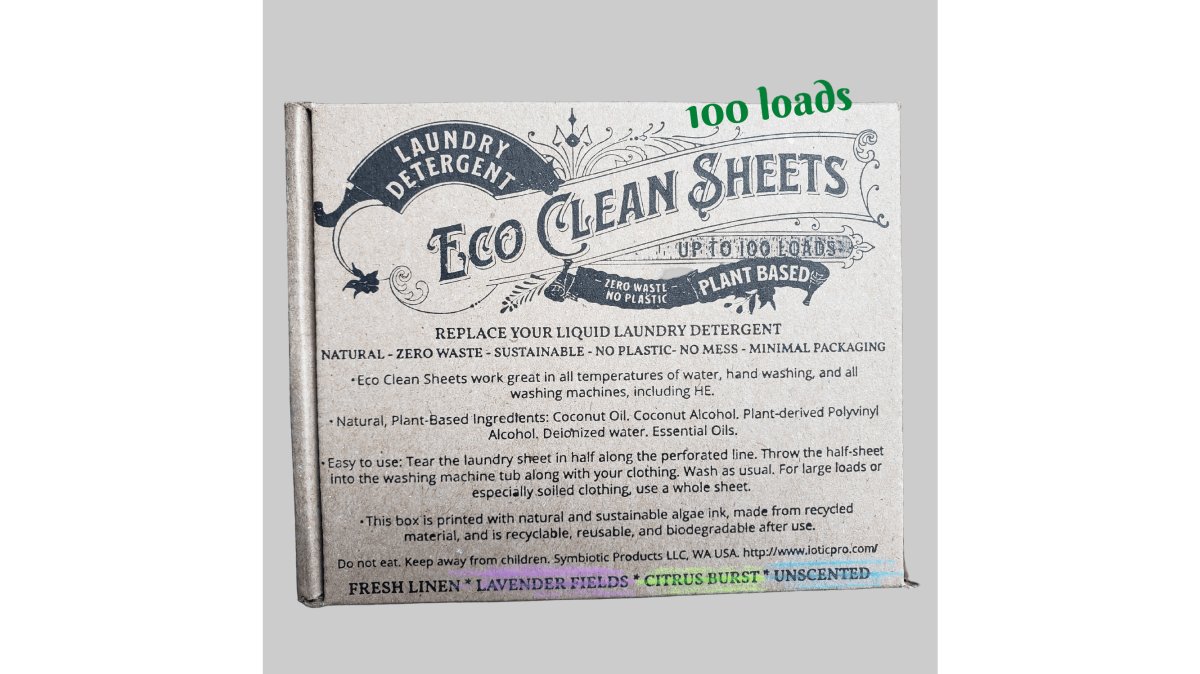
For families who want fewer fragrance ingredients and less plastic packaging, this is a practical option. The sheets are packed in recycled cardboard boxes printed with algae-based ink.
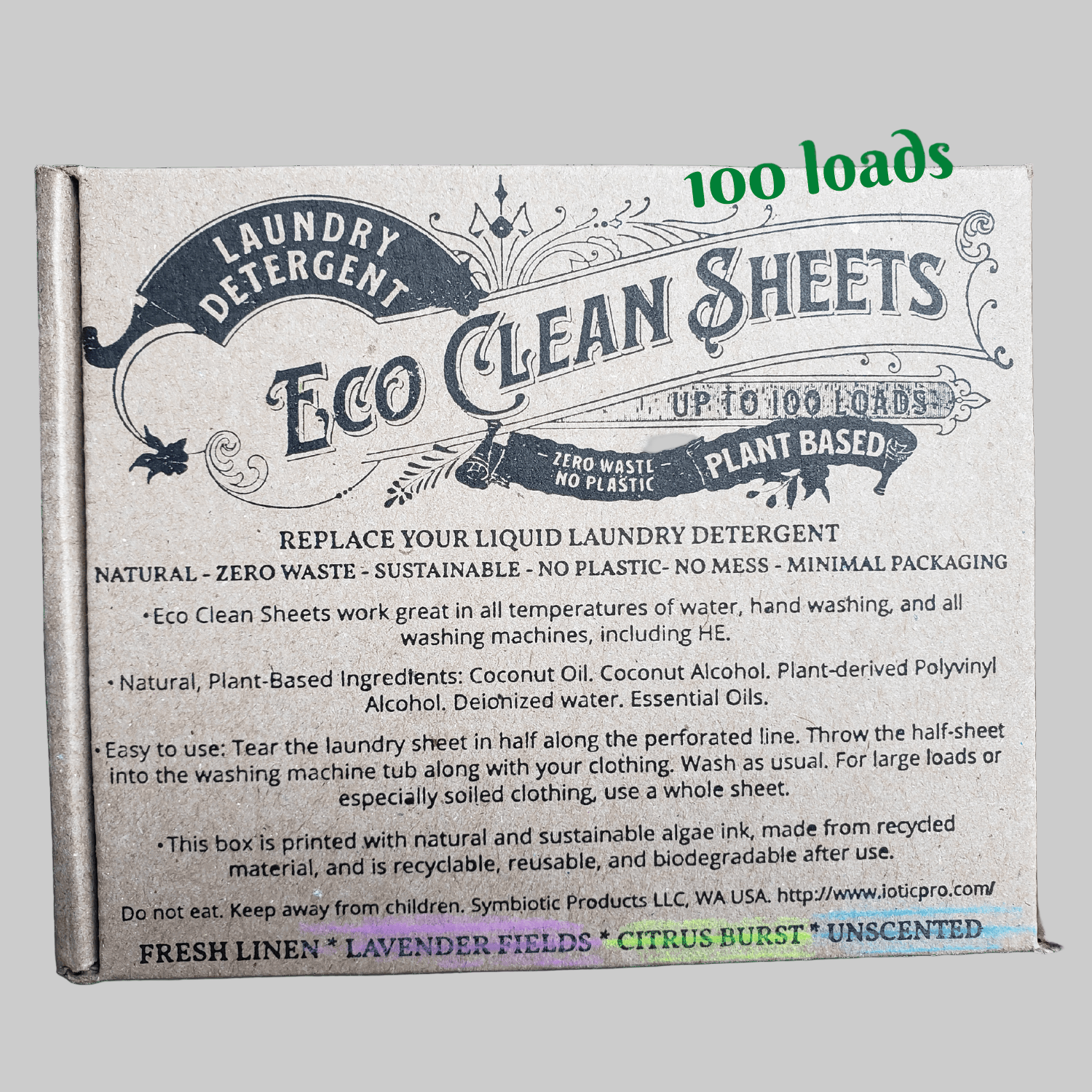
Price: $26.00 per box of 50 sheets
2. Eco Clean Dryer Sheets: Plastic-Free Softener Alternative
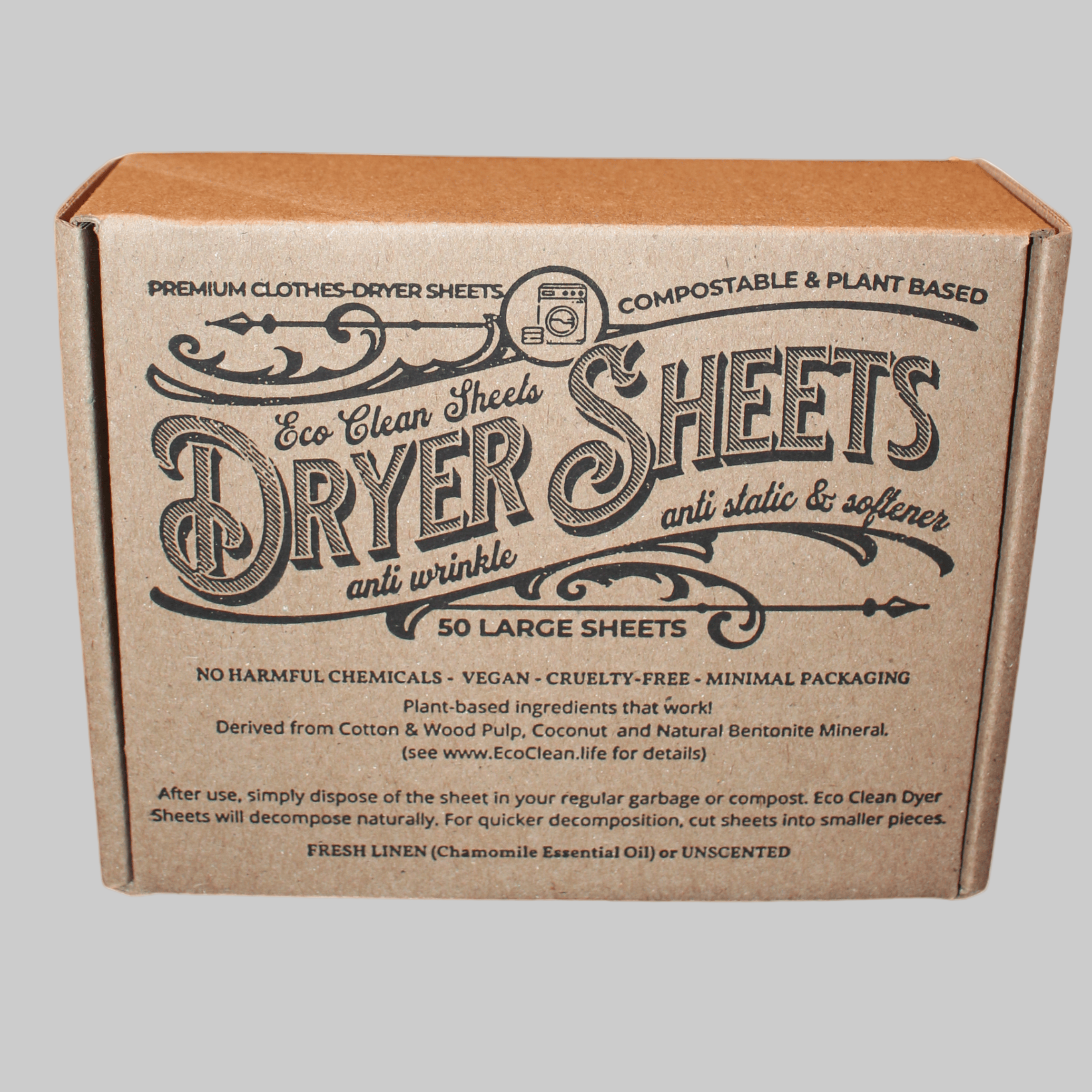
Conventional dryer sheets are often coated with softening and fragrance compounds. The Eco Clean Dryer Sheets are listed as made from cotton and wood pulp, coconut and natural bentonite clay, with no plastic packaging.
Families looking for a plastic-free alternative will find these easy to compare with their current routine. Since the listing describes them as unscented, they suit households that prefer fragrance-free laundry.
Price: $18.00 per box of 50 sheets
See the plastic-free dryer sheets
3. Pure Beeswax Pillars and Organic Beeswax Candles for Fragrance-Free Light
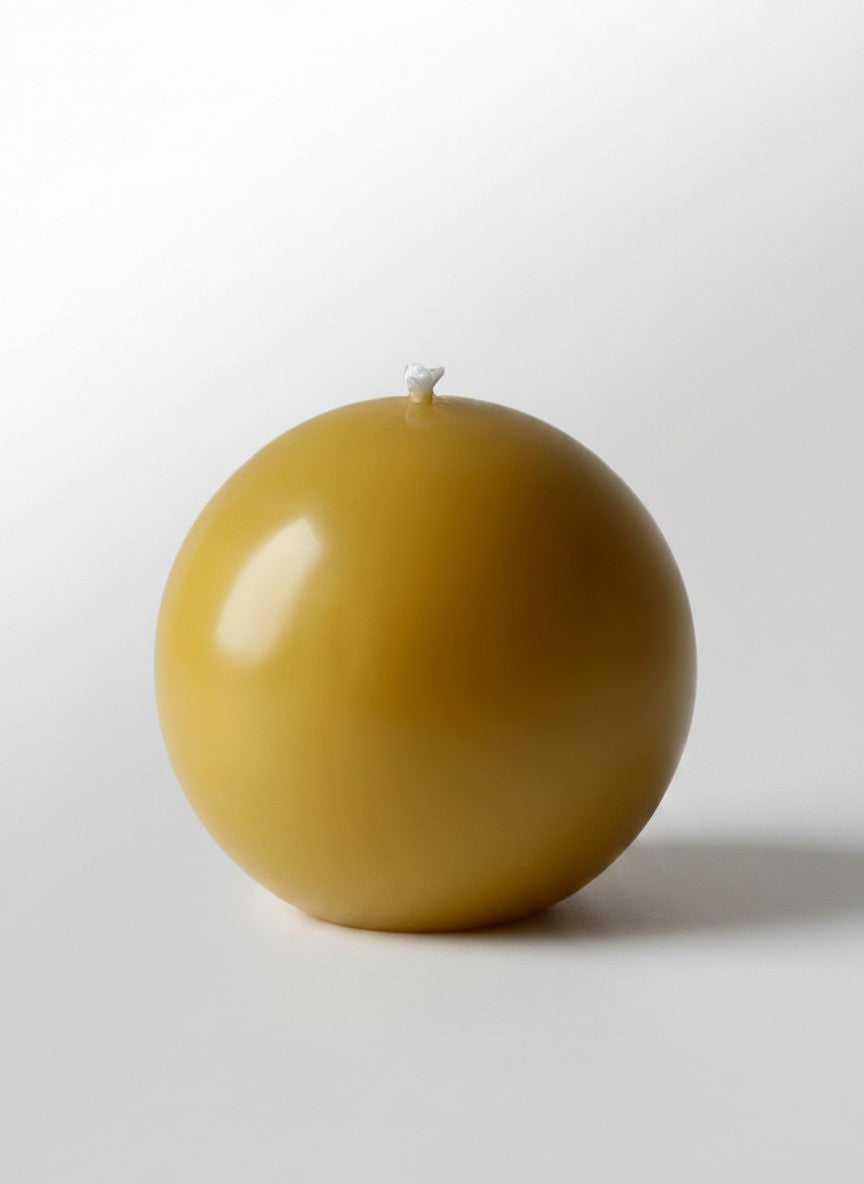
Candles are one of the more common sources of indoor smoke and scent in family homes. Beeswax candles are a common alternative because they are usually sold without added fragrance.
The Pure Beeswax Pillars are another option for families who want a longer-burning candle with a natural honey scent from the wax itself.
Prices: Organic Beeswax Candles (Ball) from $29.50; Pure Beeswax Pillars from $16.00
4. Handcrafted Wood Kitchen Utensils and Cutting Board
Wooden kitchen tools are a common replacement for plastic in family kitchens.
Wood needs some care. Hand washing, drying promptly and occasional oiling are generally recommended for wooden boards and utensils. Avoid soaking them, and do not put them in the dishwasher.
Prices: Handcrafted Wood Cutting Board from $26.00; Wood Kitchen Utensils from $19.00; Wood Salt & Pepper Set from $72.00
Explore the handcrafted kitchen wood
5. Organic Cotton Toys and Teething Rings for Little Ones
Children's toys are often handled, chewed and washed frequently, so material choice matters.
These toys are suited to infants who are starting to explore with their mouths, though every child is different and parents should supervise play. Because the teething ring includes a wooden component, check it regularly for wear.
Prices: Organic Cotton Teething Ring from $14.50; Fruits and Veggies toy from $11.00; Let's Be Friends toy from $16.00
Buying Checklist, Cost Planning and Your Next Step for a Non-Toxic Home
Before buying, check the ingredient or material list, confirm the size or quantity, and compare the price per use. Laundry sheets and dryer sheets are priced per box, so calculate cost per load.
Start with the items you use every day, such as laundry and cooking tools, and add others as your budget allows. Families can spread costs across a few months while replacing conventional products as they run out.
Frequently Asked Questions
What are some of the best non-toxic home items for families?
A practical starting set covers laundry, dryer softening, lighting, kitchen tools and baby items. In this list, that means Eco Clean laundry sheets, Eco Clean dryer sheets, beeswax candles, wood kitchen utensils and a cutting board, and organic cotton toys. Each product's listing states its own ingredients and materials, so check those against your family's sensitivities. Start with the items your household uses daily, like laundry and kitchen tools, because those are where repeated contact adds up. Results vary between people, so if anyone in your home has known allergies, test a new product on a small area or a single item first.
Are non-toxic cleaning products safe for pets?
Non-toxic labels do not guarantee a product is safe for every animal, and pets react differently from people. Cats in particular can be sensitive to certain essential oils, so look for unscented formulas and keep pets away from wet surfaces until they dry. The Eco Clean laundry sheets list plant-based ingredients and include a small amount of chamomile essential oil, so review that listing with your veterinarian if you have a sensitive animal. Ask your vet before using any new product around pets, and watch for changes in behavior, scratching or breathing after first use.
Can a family find affordable non-toxic home essentials?
Yes, but price per use matters more than the sticker price. The Eco Clean laundry sheets start at $26.00 for a box that washes up to 100 loads, and the Eco Clean dryer sheets start at $18.00 for a box of fifty sheets. Buying a few core items first lets you spread the cost over time. Reusable items such as wood utensils and cotton toys last for years, so their upfront price is easier to justify. Compare the number of uses in each box rather than the box price alone.
How do I choose non-toxic products for a family home?
Start by reading ingredient lists and materials, not just marketing claims. Look for named plant-based ingredients, unscented formulas if fragrance bothers someone in the house, and clear material descriptions such as organic cotton or solid hardwood. Check whether a listing mentions a recognized standard, such as the Global Organic Textile Standards that some cotton toys reference. Prioritize items used most often by young children and in the kitchen, and replace them first. Keep notes on how each product works for your family over a few weeks before deciding on more purchases.


Leave a comment